Research

Self Group is an identity research company. Our mission is to create an identity layer for the internet to keep us all safe.

" The Internet was built without a way to know who and what you are connecting to. This limits what we can do with it and exposes us to growing dangers. If we do nothing, we will face rapidly proliferating episodes of theft and deception which will cumulatively erode public trust in the Internet. "

Kim Cameron
Architect of Identity, Microsoft Corporation

Our Work

We do research into the three cornerstones of identity; personal data, communication and identity itself.

Identity

Identity holds the key to the freedoms and rights humanity holds dear. We research into how identity can be protected, relied upon and used to power trust and protect cornerstones like democracy and education.
Identity is not a product
The increasing trend among governmental and corporate entities to conceptualise and manage human identity as a product is fundamentally flawed. The approach is not only morally problematic, but also technically unsound.
Digital Identity is Creepy
Digital identity is more than just a tool; it's a reflection of who we are. The pervasive and often opaque ways in which our identities are managed can feel invasive and, frankly, creepy.
Your security problem is an identity problem
It’s only going to get more difficult for organisations to protect themselves, their customers and their data as the technology the hackers use gets better. In many cases organisations simply aren’t ready for today's challenges, let alone those which are coming

Personal Data

Data has been structured in effectively the same way since 1760. It was a great structure for a card index, but once connected to the internet it has caused real problems. We are exploring why and what can be done about it
The risks of centralising data
As federated, centralised identity systems have proliferated, identity and personal data have become one and the same placing consumers and organisations at risk.
The end of the seed phrase
A persons identity is incredibly precious, but because of the way in which technology and identity have evolved, todays systems don’t treat it with the care it deserves.

Communication

We've slowly learned not to send sensitive information like bank details by email, because it is at risk from bad actors. The same rule applies to any identity or credentials. Secure communication is crucial if we are to trust the data we are relying on. We are working on how that reality gets solved at internet scale.
Encrypted, but to whom?
Prime Minister Andy Burnham exchanged messages with someone impersonating Trump's chief of staff. He worked out the impersonation. The problem is that they could reach him at all. The device in a public official's pocket has no identity layer.
Exploring Call Fraud
Since Telephone operators were replaced by dial phones, call fraud has been a problem, today it is a huge global industry. We explore how and why this problem remains so difficult to eradicate.

Applied research

Our applied research is where these ideas meet a specific problem in the world.
Simplifying Liveness
Really good UX ensures processes like checking liveness don't get in the way of the user as they try to do something. We explore how liveness at Self has evolved.
Authentication
Authentication
Authentication is meant to establish that a person is who they say they are. In practice, the mechanism checks a credential — and adding more factors does not change what is checked. The research asks how authentication can check the person, not just the credential.
Software
Software
PLACEHOLDER — sector article. This article will argue that software licence sharing is a credential-binding problem and how Self’s research-architecture binds licences to humans via the biometric gate. Prose pending Voxen pass.
Encrypted, but to whom?
Prime Minister Andy Burnham exchanged messages with someone impersonating Trump's chief of staff. He worked out the impersonation. The problem is that they could reach him at all. The device in a public official's pocket has no identity layer.
Secure in Name Only
Secure in Name Only
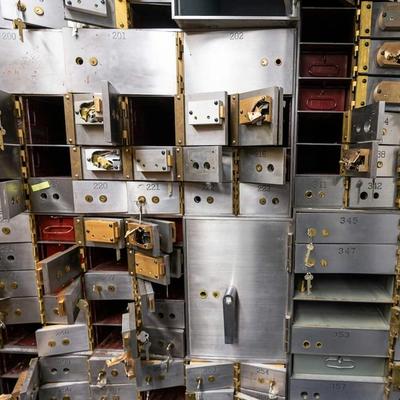
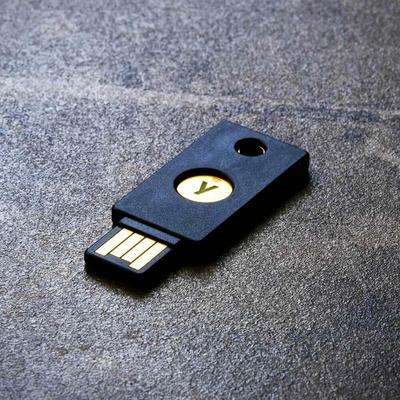
Exploring how metaphors like “vaults,” “keys,” and “wallets” shape our sense of safety—and the risks that confidence creates.
Are we getting closer to a true identity layer?
Initiatives like W3C Decentralized Identifiers (DIDs) and Verifiable Credentials (VCs) are moving us toward an identity layer